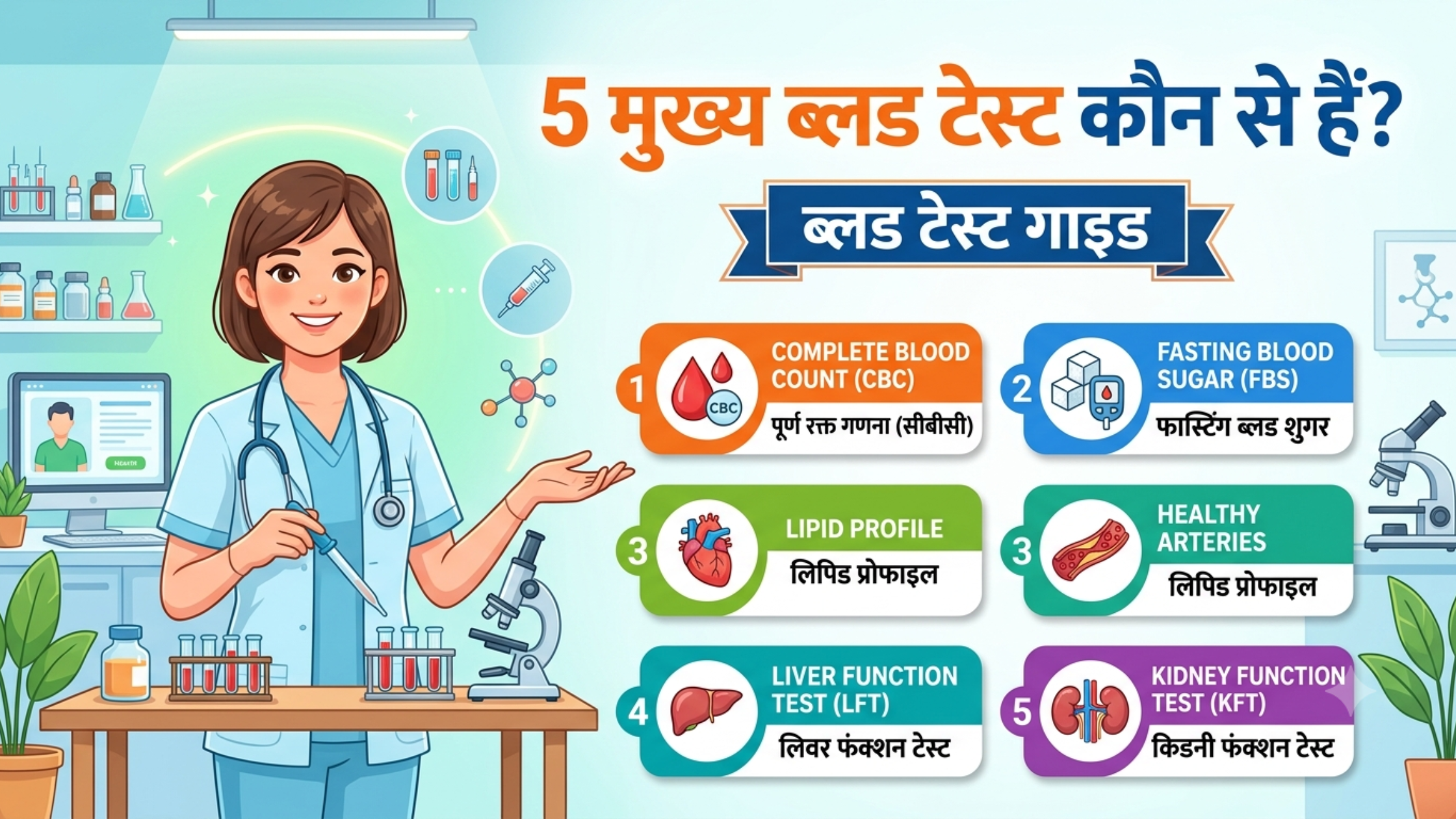
Fasting blood sugar (FBS) means how much sugar is in your blood after you haven't eaten anything for 8-10 hours. Doctors use this easy test to see how your body handles sugar when your stomach is empty. It's one of the most common tests used to catch diabetes and prediabetes early.
This guide answers the questions patients ask the most about fasting blood sugar, in simple words that are easy for anyone to understand.
How Can I Reduce My Blood Sugar Right Away?
Drinking water and going for a short walk are the fastest ways to bring down high blood sugar. Water helps your kidneys wash out extra sugar through urine. Walking for 15-20 minutes helps your muscles use up sugar for energy, which brings the level down.
Other quick steps that help:
- Take slow, deep breaths to calm down (stress makes sugar levels go up)
- Avoid sugary drinks, tea, or snacks at that time
- If you take insulin or diabetes medicine, follow what your doctor told you to do for high readings
If your blood sugar is very high (above 250 mg/dL) and you feel symptoms like vomiting, confusion, or heavy breathing, this is an emergency. Please go to a doctor right away instead of trying home remedies.
What Range Defines a High or Low Fasting Blood Sugar Level?
The typical range for fasting blood sugar is 70–99 mg/dL. Anything below or above this range needs attention.
| Category | Fasting Blood Sugar Range |
| Low (Hypoglycemia) | Below 70 mg/dL |
| Normal | 70-99 mg/dL |
| Prediabetes | 100-125 mg/dL |
| Diabetes | 126 mg/dL or higher |
Low blood sugar can cause shakiness, sweating, and dizziness. High blood sugar often shows no symptoms at first, which is why regular testing matters.
How Can I Reduce My Blood Sugar Levels Without Taking Medicine?
Eating fewer refined carbs, walking every day, and sleeping well are the best natural ways to lower blood sugar. Small daily habits work better than any quick fix.
Simple changes that make a real difference:
- Cut down white rice, maida, and sugar – eat whole grains like oats, brown rice, and millets (bajra, jowar) instead
- Walk for 30 minutes every day – even a slow walk after meals helps lower sugar spikes
- Eat more fibre – vegetables, dals, and salads slow down how fast sugar goes into your blood
- Sleep 7-8 hours – poor sleep raises stress hormones that push blood sugar up
- Drink enough water – 8-10 glasses a day helps your kidneys work well
- Reduce stress by practicing yoga, meditation, or breathing exercises.
These changes need consistency. Most people see their fasting sugar levels improve within 4-6 weeks of following them regularly.
Does the Range of Fasting Blood Sugar Change with Age? What Ranges Are Typical for Each Age Group?
Yes, normal fasting blood sugar ranges can vary slightly with age, especially for children and older adults.
| Age Group | Normal Fasting Blood Sugar |
| Children (under 18) | 70-100 mg/dL |
| Adults (18-59 years) | 70-99 mg/dL |
| Older adults (60+ years) | 70-110 mg/dL (slightly higher range accepted) |
Doctors allow a bit more flexibility for older adults because their bodies process sugar differently. However, your doctor may establish a customized target range for you if you already have diabetes or are in a high-risk group.
Why Is Fasting Blood Sugar Tested After 8-10 Hours of Fasting, Usually in the Morning?
Fasting for 8-10 hours removes the effect of your last meal on your blood sugar. This way, doctors get to see your body's true baseline level.
Here's why this timing matters:
- No food interference – after 8-10 hours, food is fully digested, so the test shows how your body handles sugar on its own, without any recent meal affecting it
- Morning timing works best – it fits naturally with the overnight fasting most people already do while sleeping
- Consistent results – testing at the same time and after the same fasting hours lets doctors compare your results correctly over time
This is why doctors usually ask patients to get this test done first thing in the morning, before breakfast.
Why Does Stress Cause People's Blood Sugar Levels to Rise?
Your body releases hormones like cortisol and adrenaline when you're under stress. These hormones tell your liver to release stored sugar into your blood for quick energy.
This is a natural body response. Long ago, this extra sugar gave people energy to fight or run away from danger. However, this stress reaction frequently occurs in today's world due to work pressure, disagreements, and deadlines, and there is little physical activity to burn off the excess sugar. So the sugar stays in your blood and makes your reading go up.
This is why managing stress through breathing exercises, short breaks, or a calm morning routine can genuinely help control blood sugar, along with diet and exercise.
Which Herbs Help Lower Fasting Blood Sugar Naturally, and Which Herbs Should Be Avoided?
Fenugreek (methi), cinnamon, and bitter gourd (karela) are among the most studied herbs that may support healthy blood sugar levels.
Herbs that may help:
- Fenugreek (Methi seeds) – soak overnight and eat in the morning; may slow down sugar absorption
- Cinnamon (Dalchini) – may help your body use insulin better
- Bitter gourd (Karela) – used traditionally in Indian homes to support blood sugar control
- Fenugreek leaves and Indian gooseberry (Amla) – rich in fibre and antioxidants
Herbs to be careful with:
- Licorice root (Mulethi) – can affect blood pressure and interact with diabetes medicines
- High-dose herbal supplements – some unregulated products claim to "cure" diabetes; these can be unsafe and are not backed by proper research
Always talk to your doctor before adding any herb, especially if you're already taking diabetes medicine, since some herbs can lower sugar too much when mixed with medicines.
What Number Ranges Decide Whether Someone Is Normal, Prediabetic, or Diabetic?
A fasting blood sugar of 70-99 mg/dL is normal, 100-125 mg/dL means prediabetes, and 126 mg/dL or higher on two separate tests confirms diabetes.
Doctors also use the HbA1c test (which shows your average blood sugar over 3 months) along with fasting blood sugar to get a full picture:
- Normal: Below 5.7%
- Prediabetes: 5.7% to 6.4%
- Diabetes: 6.5% or higher
If your fasting sugar falls in the prediabetes range, don't panic — it's a warning sign, not a diabetes diagnosis. It means that making lifestyle changes now can often bring your levels back to normal.
How Can Blood Sugar Be Improved by Intermittent Fasting?
Intermittent fasting gives your body longer gaps between meals. This can lower insulin levels and help your body handle sugar better.
During the fasting time, your body uses up stored sugar for energy instead of always getting new sugar from food. Over time, this can:
- Reduce insulin resistance
- Support slow, healthy weight loss (extra weight is linked to higher blood sugar)
- Give your pancreas some rest from making insulin all the time
Common methods like the 12-hour or 16:8 fasting window are usually considered safe for most healthy adults. But people with diabetes, low blood sugar problems, or those on medicine should only try intermittent fasting with a doctor's guidance since it can affect medicine dosage and cause sugar to drop too low.
Getting Your Fasting Blood Sugar Tested
If you haven't checked your fasting blood sugar in a while, it's a good idea to get it done, especially if diabetes runs in your family, you feel unusually tired often, or you're above 40 years of age.
You can get this test done at JDAR Path Labs, New Delhi, a NABL-accredited lab that also offers home sample collection for your convenience. The current price for a fasting blood sugar test is ₹100.
Knowing your numbers is the first step toward taking better care of your health.